


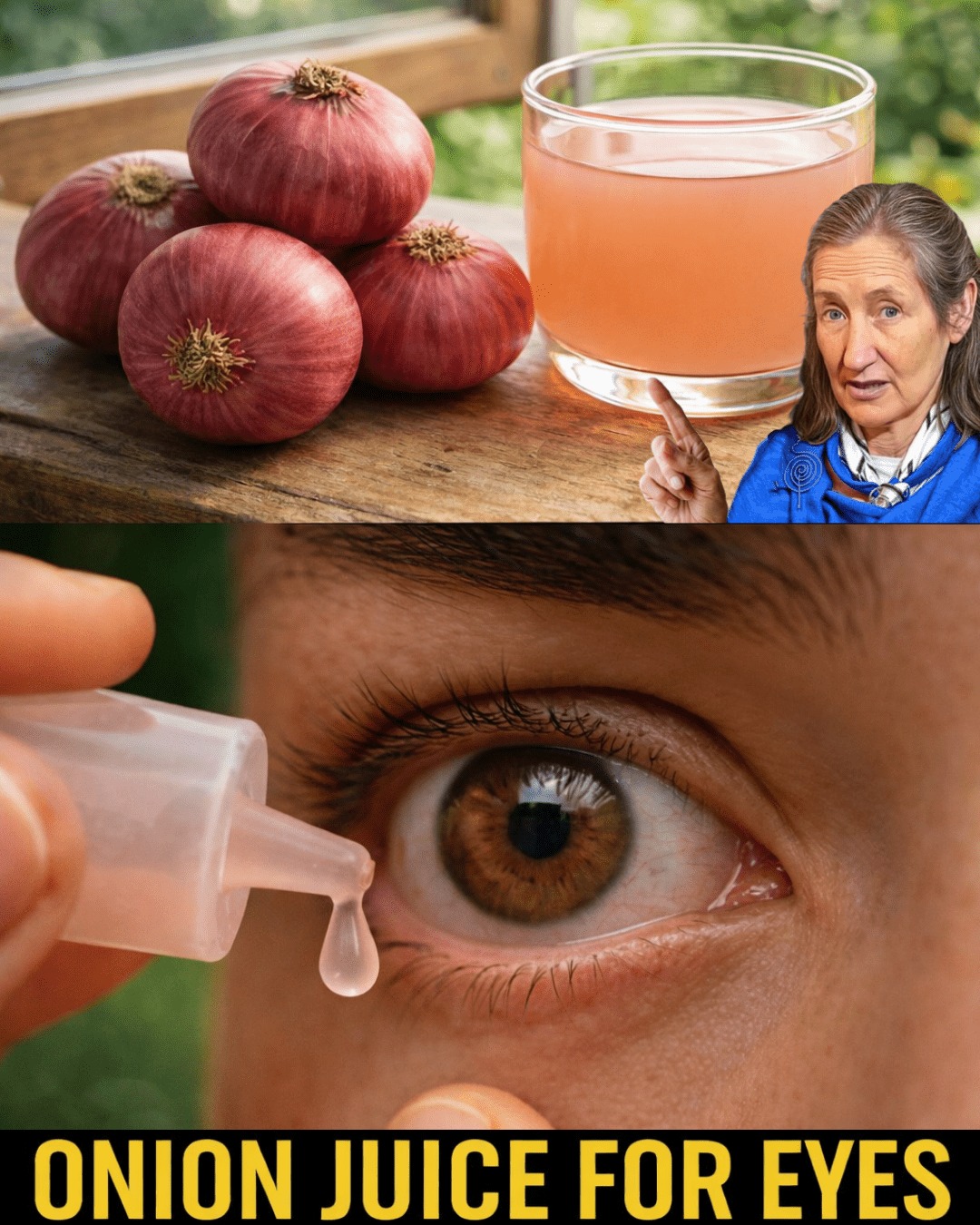
Onions are more than just a kitchen staple—they pack a punch when it comes to beneficial compounds. Research shows that onions are rich in quercetin, a powerful antioxidant flavonoid, along with vitamin C, sulfur compounds, and selenium.
These nutrients play a role in supporting the body’s natural defenses against oxidative stress, which can affect various parts of the body, including the eyes. Studies suggest that higher intake of quercetin-rich foods like onions may contribute to better overall wellness, with some animal research indicating potential benefits for eye tissues.
But that’s not all…
Onions also provide vitamin C, which supports immune function and collagen production—important for maintaining healthy tissues throughout the body.
Key Nutrients in Onions That May Support Eye Comfort
Here’s a quick breakdown of what makes onions stand out:
-
Quercetin: One of the most studied antioxidants in onions. Preliminary studies, including those on animals, show it may help reduce oxidative damage and support tear production.
-
Sulfur compounds: These contribute to glutathione production, a key antioxidant that helps protect cells.
-
Selenium: Works alongside vitamin E to support cellular health.
-
Vitamin C: Aids in reducing inflammation and promoting healing.
Research, such as studies published in journals like Frontiers in Nutrition, has explored how quercetin from onions might improve lacrimal gland function in animal models, leading to better tear stability.
Of course, these findings come mostly from lab and animal research—human results vary, and onions are best seen as part of a balanced approach.
Easy Ways to Incorporate Onions into Your Routine for Potential Benefits
The safest and most effective way to enjoy onions’ nutrients is through your diet. Here are some practical tips to get started:
Daily Habits to Try
-
Add raw sliced onions to salads or sandwiches for maximum nutrient retention.
-
Include chopped onions in soups, stir-fries, or omelets.
-
Try red or yellow varieties, as they tend to have higher quercetin levels.
-
Aim for 1/2 to 1 onion per day as part of meals—start small if you’re not used to it.
A Simple 5-Day Onion-Focused Plan
If you’re curious about focusing on onions for a short period, here’s a gentle way to experiment while supporting overall nutrition:
-
Day 1-2: Start with raw onions in meals. Slice one medium onion and add to lunch and dinner.
-
Day 3-4: Incorporate cooked onions—sauté them with vegetables or add to broths.
-
Day 5: Combine raw and cooked, perhaps in a fresh salsa or onion soup.
Pair this with plenty of water, leafy greens, and other eye-friendly foods like carrots or berries.
This isn’t about quick fixes—it’s about building habits that may contribute to feeling more comfortable over time.
The truth is…
Consistency matters more than intensity. Many people notice better energy and digestion from regular onion intake, which indirectly supports overall health.
