


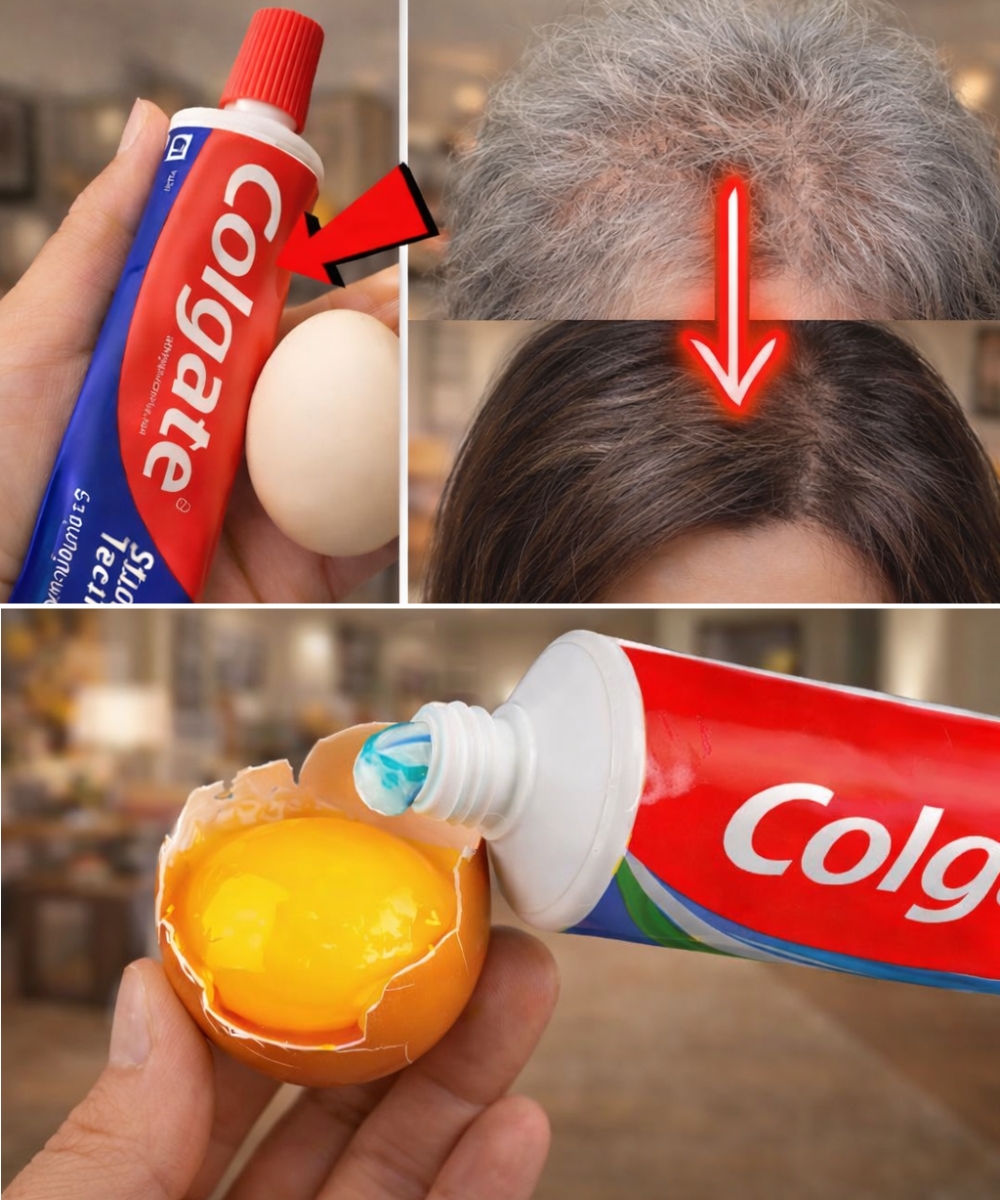
The internet is buzzing with a surprising hair care trick that combines two everyday items you already have at home: an egg and toothpaste. At first glance, it sounds strange—almost unbelievable—but curiosity around this DIY remedy keeps growing, especially among people looking for natural ways to improve hair appearance, shine, and strength without expensive products.
So what’s really behind this viral egg and toothpaste hair hack? Does it work, or is it just another internet myth? Let’s break it down in a clear, honest, and science-aware way.
Why People Are Obsessed With Natural Hair Remedies
Hair thinning, dullness, and dryness are incredibly common concerns. Many people are turning away from chemical-heavy products and searching instead for simple, natural alternatives that feel safer and more affordable.
Eggs, oils, herbs, and even kitchen staples have long been used in traditional beauty routines. Toothpaste, on the other hand, is more controversial—but its ingredients spark curiosity.
This is where the egg and toothpaste combo comes in.
The Role of Egg in Hair Care
Eggs have been used in hair masks for decades, especially in traditional and home-based beauty practices.
Why eggs are popular for hair:
-
Rich in protein, which is a key structural component of hair
-
Contain biotin, often linked to hair strength
-
Provide natural fats that can add softness and shine
-
Help hair feel thicker and smoother after rinsing
Many people use eggs alone as a hair mask to temporarily improve hair texture and manageability.
Why Toothpaste Is Included (And Why It’s Controversial)
Toothpaste is not traditionally designed for hair or scalp care, which is why this hack raises eyebrows.
Some people believe toothpaste may help because it often contains:
-
Menthol, which creates a cooling sensation
-
Baking soda or mild abrasives, thought to remove buildup
-
Fluoride or cleansing agents, believed to “clean” the scalp
⚠️ Important note: Toothpaste formulas vary widely, and some ingredients may be too harsh for the scalp, especially sensitive skin. This hack should be approached with caution.
How the Egg and Toothpaste Hair Hack Is Usually Done
People who try this method typically follow these steps:
-
Crack one egg into a bowl (whole egg or yolk only)
-
Add a small amount of plain white toothpaste (pea-sized or less)
-
Mix until smooth
-
Apply to hair (often avoiding direct scalp contact)
-
Leave on for 5–10 minutes only
-
Rinse thoroughly with cool water
This is generally treated as a one-time or occasional experiment, not a regular routine.
What Results Do People Claim?
Online, users often report:
-
Hair feels smoother and shinier
-
Temporary appearance of thicker hair
-
Cleaner feel due to removal of oil buildup
However, these effects are cosmetic and short-term, not true hair regrowth.
There is no scientific evidence that this mixture can:
-
Reverse gray hair
-
Regrow lost hair
-
Permanently change hair color or density
Potential Risks You Should Know
Before trying this hack, it’s important to understand possible downsides:
-
Toothpaste may dry out hair
-
Menthol can irritate the scalp
-
Strong ingredients may cause itching or redness
-
Overuse could damage hair cuticles
If someone chooses to experiment, a patch test is strongly recommended.
Safer Natural Alternatives for Hair Health
If the goal is healthier-looking hair, these options are far more widely accepted:
-
Egg + olive oil mask
-
Aloe vera gel for scalp comfort
-
Coconut oil for shine and moisture
-
Onion juice (popular but strong-smelling)
-
Herbal rinses like rosemary or green tea
These methods are gentler and better supported by traditional use.
Final Verdict: Miracle Hack or Internet Myth?
The egg and toothpaste hair hack is interesting, experimental, and highly viral, but it is not a miracle cure. At best, it may temporarily improve the look and feel of hair. At worst, it can irritate the scalp if used incorrectly.
If you enjoy experimenting with DIY beauty hacks, approach this one carefully and sparingly. For long-term hair health, consistency, gentle care, and proven natural ingredients matter far more than viral trends.
