


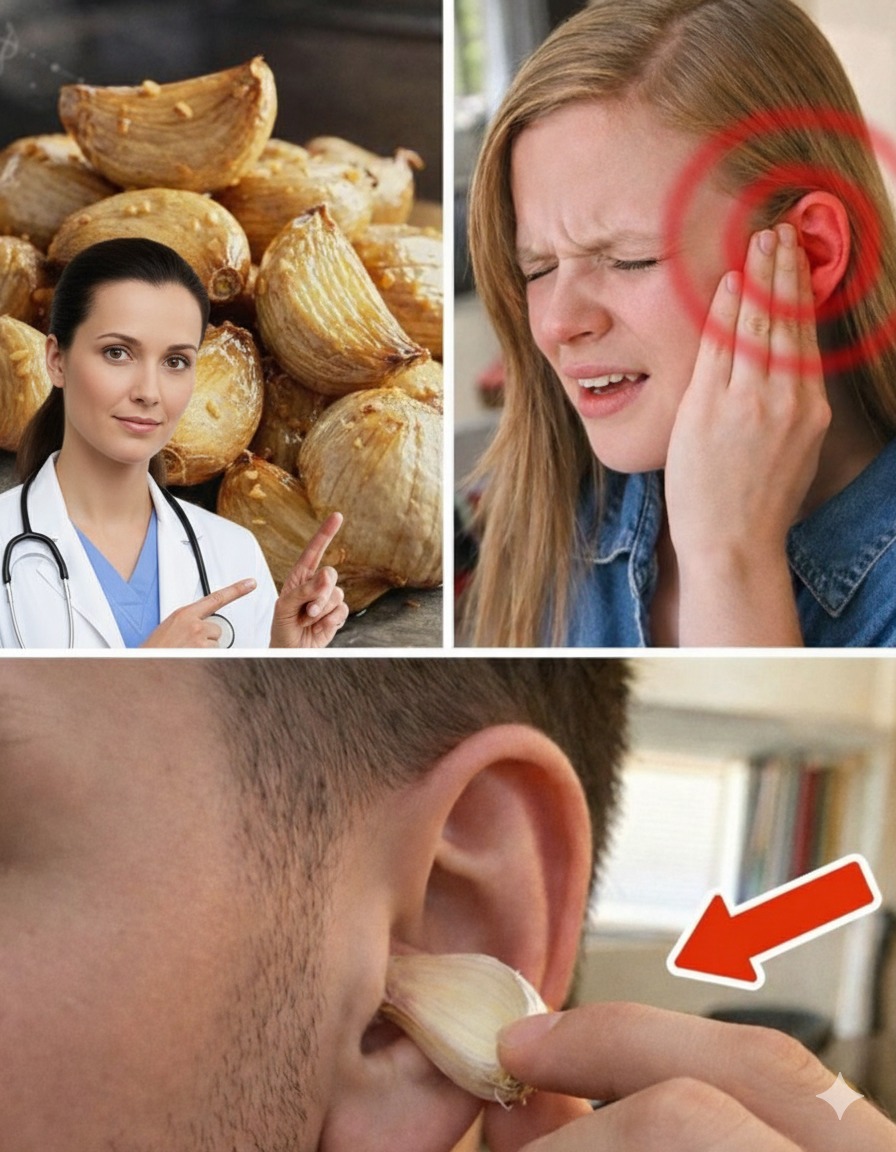
Ear discomfort can strike at the worst times—whether it’s pressure from a cold, congestion after a flight, or that nagging ache that keeps you up at night. Many people turn to natural home remedies in search of quick comfort, and one viral tip that keeps circulating online involves placing a garlic clove in or near the ear. This traditional practice draws from garlic’s long history in folk medicine, but questions remain about its safety and real effectiveness. While some report temporary soothing sensations, medical experts often highlight potential downsides and stress the importance of evidence-based approaches.
In this article, we’ll explore the facts behind this popular remedy, separating tradition from science, so you can make informed decisions about managing ear discomfort.

Why This Home Remedy Remains So Popular
Garlic has been used for centuries across cultures for its potential health-supporting properties. The idea of using it for ear issues stems from its natural compounds, like allicin, which show antimicrobial effects in lab settings. People often describe wrapping a peeled clove in gauze or cotton and holding it near the ear canal, hoping the vapors provide relief from pressure or mild aches.
But here’s the key point: while garlic is a powerhouse when eaten as part of a balanced diet, applying it directly to the ear involves very different considerations. Searches for this method spike during cold and flu season, yet limited human studies exist on its topical use for ear comfort. This creates a gap between anecdotal stories and what experts recommend.

Traditional Beliefs vs. What Experts Say
Many traditions praise garlic for its warming and protective qualities, but modern views focus on anatomy and evidence.
| Aspect | Folk Belief | Expert Consensus |
|---|---|---|
| Antimicrobial Effects | Vapors fight infection | Lab effects exist, but vapors unlikely to reach meaningfully (limited penetration) |
| Pain Relief | Quick soothing | Possible mild warmth from contact, but not a cure |
| Safety | Natural and harmless | Risk of irritation, blockage, or other complications |
| Evidence | Passed down through generations | Mostly anecdotal; some older studies on herbal drops |
But that’s not all—let’s dive into the specific insights.
Insight #1: Possible Mild Warming and Soothing Sensation
Some people describe a gentle warming effect when holding a wrapped garlic clove near the ear. This may come from the clove’s natural temperature and contact, which could promote local relaxation and improved circulation in the area.
For example, imagine someone dealing with flight-related pressure rating their discomfort at 6/10 before trying it—they might notice temporary ease. This aligns with how warmth in general supports comfort, much like a warm compress.
However, this is short-lived at best and doesn’t address underlying causes.

Insight #2: Limited Reach of Antimicrobial Properties
Garlic’s allicin has shown ability to inhibit certain bacteria in test-tube studies, sparking interest in its potential. Yet, when a whole clove is placed near the ear, the concentration of active vapors is too low to have a meaningful impact.
Older research on herbal ear drops (including garlic) suggested they could match over-the-counter options for managing discomfort in children, but these used prepared extracts—not raw cloves. Direct vapor delivery simply doesn’t deliver enough for reliable effects.
Insight #3: Real Risks of Irritation and Chemical Burns
Raw garlic contains compounds that can be harsh on sensitive skin. Reports and expert warnings point to possible redness, stinging, rashes, or even mild chemical burns from direct contact or juice exposure.
The ear canal is delicate, and acidity in garlic can disrupt its natural balance, leading to inflammation. Always test any topical remedy on a small patch of skin first (like the inner arm) and stop immediately if discomfort occurs.
Insight #4: Potential for Blockage or Foreign Body Issues
A garlic clove can slip deeper into the canal, becoming stuck. This organic material may trap moisture, increase infection risk, or require professional removal.
In some cases, complications like perforation have been discussed in medical contexts, emphasizing why experts generally advise against inserting anything into the ear.
Insight #5: Why It’s Ineffective for Middle Ear Issues
Most ear discomfort from infections occurs behind the eardrum (middle ear), where a barrier prevents external remedies from reaching the site. A clove near the outer ear simply can’t cross this anatomical divide.
This explains why many experiences feel like coincidence—mild issues often improve on their own over time.
Insight #6: Safer Alternatives with Some Supporting Evidence
If you’re drawn to natural options, consider prepared garlic-infused herbal ear drops (often combined with mullein or other soothing herbs). Older studies on these naturopathic blends found them comparable to standard pain-relief drops for managing discomfort in children.
These products offer controlled, diluted application without the risks of raw garlic. Always choose reputable brands and follow instructions.
Here are some gentle, evidence-supported home options:
- Warm Compress: Apply a warm cloth to the outer ear for 10–15 minutes to ease pressure.
- Olive Oil Drops: Warm a few drops and place in the ear to soften wax (test temperature first).
- Steam Inhalation: Breathe steam from a bowl to help clear congestion.
- Hydration and Rest: Drink fluids and elevate your head for better drainage.
Insight #7: Knowing When to Seek Professional Help
Don’t wait if discomfort includes severe pain, fever, discharge, sudden hearing changes, or lasts more than a few days. These could signal something needing attention, and early evaluation prevents complications.
Children, especially infants, always warrant prompt guidance from a pediatrician.
Remedy Comparison at a Glance
| Method | Potential Benefit | Risks Involved | Evidence Level |
|---|---|---|---|
| Direct Garlic Clove | Mild warmth | High (irritation, blockage) | Anecdotal |
| Garlic Herbal Drops | Comfort support | Low if commercial and tested | Some older studies |
| Warm Compress | Relaxation and pressure relief | Minimal | Well-supported |
| OTC Pain Relievers | Targeted discomfort management | Follow dosing guidelines | Strong |
Final Thoughts
This age-old garlic-in-ear practice offers a glimpse into traditional wellness, but science shows its limits and risks outweigh unproven benefits for most people. Focus on safer, indirect methods for comfort, and prioritize professional advice when needed. Informed choices lead to better outcomes and peaceful nights.
FAQ
1. Can garlic oil drops help with ear discomfort?
Prepared garlic herbal drops may provide soothing support, with some older studies showing they can match standard options for pain management. They’re safer than raw cloves, but results vary.
2. Is it safe to put anything in my ear?
Experts generally recommend avoiding insertion of objects or substances, as it can lead to irritation or complications. Stick to external applications like compresses.
3. When should I see a doctor for ear issues?
Seek care for severe pain, fever, discharge, hearing loss, or symptoms lasting more than a few days—especially in children.
This article is for informational purposes only and does not replace professional medical advice. Consult your healthcare provider for personalized guidance.
