


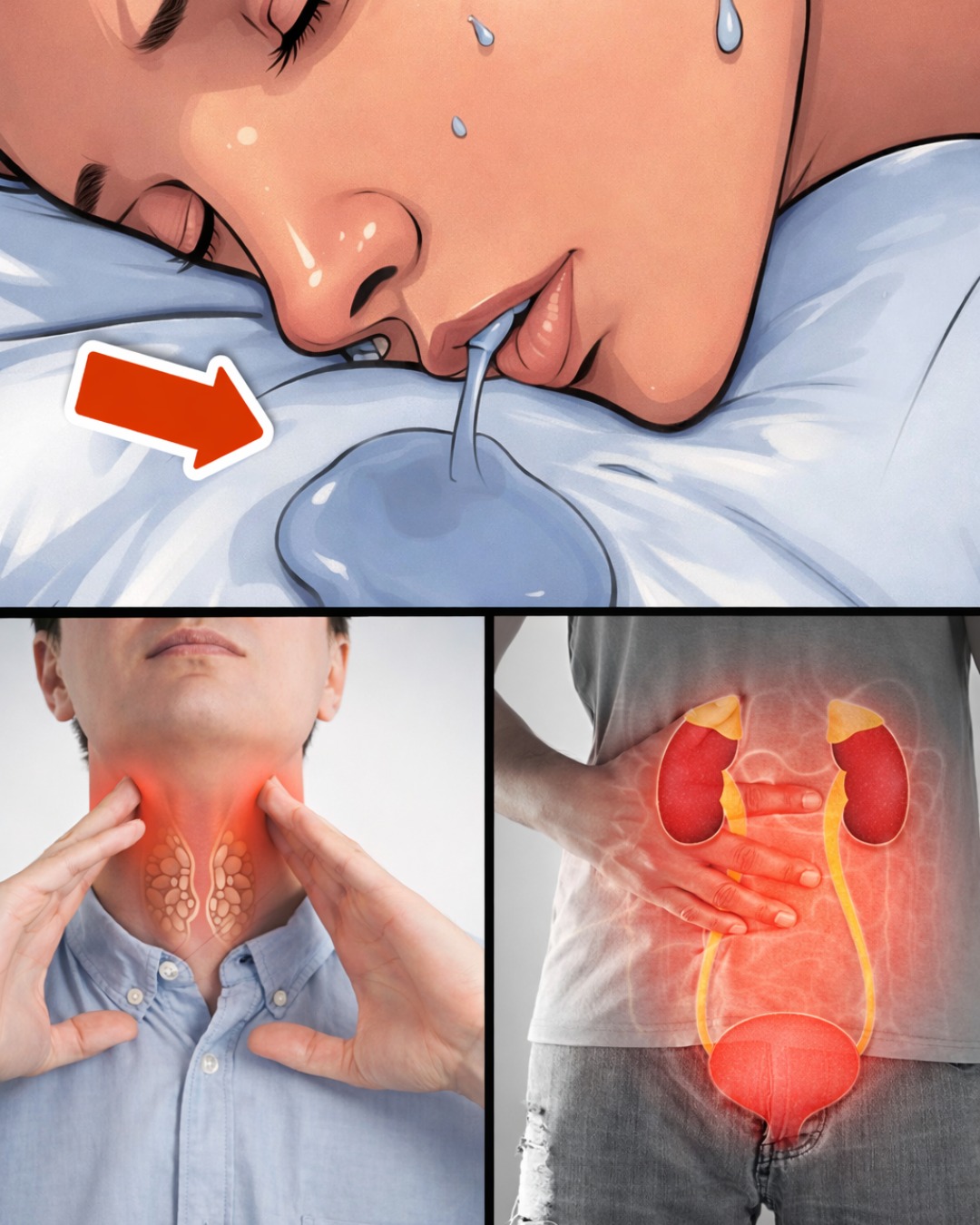
Waking up with a damp pillow and saliva crusted around your mouth can feel embarrassing and frustrating. That wet spot isn’t just inconvenient—it might leave you wondering if something deeper is going on with your health. Many adults experience this from time to time, but when it happens frequently, it could signal your body needs attention. Research shows that excessive drooling during sleep, or nocturnal sialorrhea, often links to issues with breathing, swallowing, or saliva control. But here’s the surprising part: addressing the root cause can bring real relief and better nights—and we’ll reveal the most overlooked connections ahead.

Why Does Drooling Happen More at Night?
During sleep, your body keeps producing saliva, but swallowing slows down as muscles relax. Gravity and open-mouth breathing can let saliva escape more easily.
Studies indicate that certain conditions make this worse by increasing saliva flow or impairing muscle control. Experts from sources like the Cleveland Clinic note that respiratory or neurological factors often play a role.
You might assume it’s just your sleeping position. Sometimes it is—but persistent drooling deserves a closer look. Here’s what trusted medical sources highlight as common culprits.
The 8 Conditions Linked to Nighttime Drooling
Drawing from insights by the Mayo Clinic, Cleveland Clinic, and sleep medicine experts, here are eight conditions that may contribute in adults.
8. Nasal Congestion or Allergies
Stuffy noses from allergies, colds, or sinus issues force mouth breathing during sleep.
This open-mouth position lets saliva pool and drip out. Research links chronic congestion to increased nocturnal drooling.
It’s often temporary, but recurring episodes? That’s worth noting. The next one ties directly to breathing challenges.

7. Gastroesophageal Reflux Disease (GERD)
Acid reflux can trigger excess saliva as your body tries to neutralize irritation.
When lying down, stomach acid rises more easily, boosting production overnight. Studies connect GERD to higher rates of drooling and throat discomfort.
Heartburn at night might be a clue. But wait—the connections get more unexpected.
6. Medication Side Effects
Some prescriptions stimulate salivary glands or affect swallowing.
Common examples include certain antipsychotics, Alzheimer’s medications, or drugs for other conditions. Experts report this as a frequent, often reversible cause.
You might not link your pills to wet pillows. Discussing options with your doctor can help. Next up: a breathing disorder many overlook.
5. Obstructive Sleep Apnea
This condition causes brief breathing pauses, leading to mouth breathing and relaxed throat muscles.
Research shows strong associations with excessive drooling, plus daytime fatigue. Loud snoring often accompanies it.
Does morning tiredness sound familiar? The following involves temporary irritations.

4. Infections or Throat Irritation
Swollen tonsils, post-nasal drip, or infections can overwhelm normal swallowing.
Viral or bacterial issues increase mucus and saliva flow. While usually short-term, ongoing cases may point elsewhere.
A lingering cold could be the trigger—but persistence changes the picture.
3. Stroke or Recent Neurological Events
Sudden muscle weakness on one side can impair mouth closure and swallowing.
Post-stroke drooling often appears abruptly. Medical studies stress the importance of prompt evaluation.
Combined with speech difficulties? Don’t delay checking. The next develops more gradually.
2. Parkinson’s Disease
Reduced coordination in swallowing affects up to 80% of people with this condition.
Research identifies sialorrhea as an early and troublesome symptom, alongside tremors or stiffness.
It impacts saliva management without always increasing production.
1. Other Neurological Conditions
Disorders like multiple sclerosis, ALS, or cerebral palsy disrupt nerve signals to facial muscles.
This leads to poor control over saliva. Experts note it’s especially common in progressive conditions.
These top the list due to their broader effects on daily life.
| Condition Group | How It Contributes to Drooling | Common Accompanying Signs |
|---|---|---|
| Sleep Apnea & Nasal Congestion | Mouth breathing from blocked airways | Snoring, daytime fatigue |
| GERD & Infections | Increased saliva to soothe irritation | Heartburn, sore throat |
| Medications & Stroke | Impaired swallowing or muscle control | Speech changes, sudden weakness |
| Parkinson’s & Other Neurological | Nerve/muscle dysfunction | Tremors, stiffness, progressive symptoms |

Real-Life Insights: How Recognition Made a Difference
Consider someone like Sarah, who noticed increasing drooling alongside loud snoring. A sleep evaluation identified apnea—simple adjustments improved her nights and energy levels dramatically.
Or Mark, whose nighttime episodes tied to occasional reflux. Managing GERD brought noticeable relief.
These stories highlight a key point: many dismiss drooling as minor, but identifying links can empower positive changes.
Practical Steps If Drooling Continues
Occasional drooling is common and harmless, but frequent occurrences—especially with other symptoms—merit discussion with a healthcare provider.
Here are actionable tips to try first:
- Sleep on your back to let gravity keep saliva in place.
- Use nasal strips or a humidifier to ease congestion and encourage nose breathing.
- Elevate your head slightly if reflux is suspected.
- Track patterns: Note frequency, position, and any snoring or heartburn.
- Stay hydrated during the day, but avoid heavy meals close to bedtime.
Research suggests these lifestyle tweaks help many people reduce episodes effectively.
When to Seek Professional Guidance
Consider talking to a doctor if drooling:
- Happens most nights and disrupts sleep.
- Comes with snoring, fatigue, or choking sensations.
- Starts suddenly or worsens quickly.
- Pairs with swallowing difficulties or neurological changes.
Your provider can evaluate safely and guide next steps.
Conclusion
Nighttime drooling might seem like a small annoyance, but these eight linked conditions show it can offer valuable clues about your health. From breathing issues to neurological factors, early awareness often leads to better management and improved well-being.
You’ve now explored evidence-based insights into why this happens and what might help. Taking that first step toward understanding could end the frustration for good.
Frequently Asked Questions
Is drooling while sleeping normal?
Yes, occasional drooling is common due to relaxed muscles and position. Persistent cases may warrant checking for underlying factors.
Can changing sleep position stop drooling?
Often yes—sleeping on your back helps gravity direct saliva toward swallowing rather than escaping.
When should I worry about nighttime drooling?
If it’s frequent, accompanied by snoring, fatigue, reflux, or sudden changes, consult a healthcare professional for personalized advice.
This article is for informational purposes only and is not a substitute for professional medical advice. Research indicates certain conditions may contribute to drooling during sleep, but always consult your healthcare provider for individualized guidance.
