


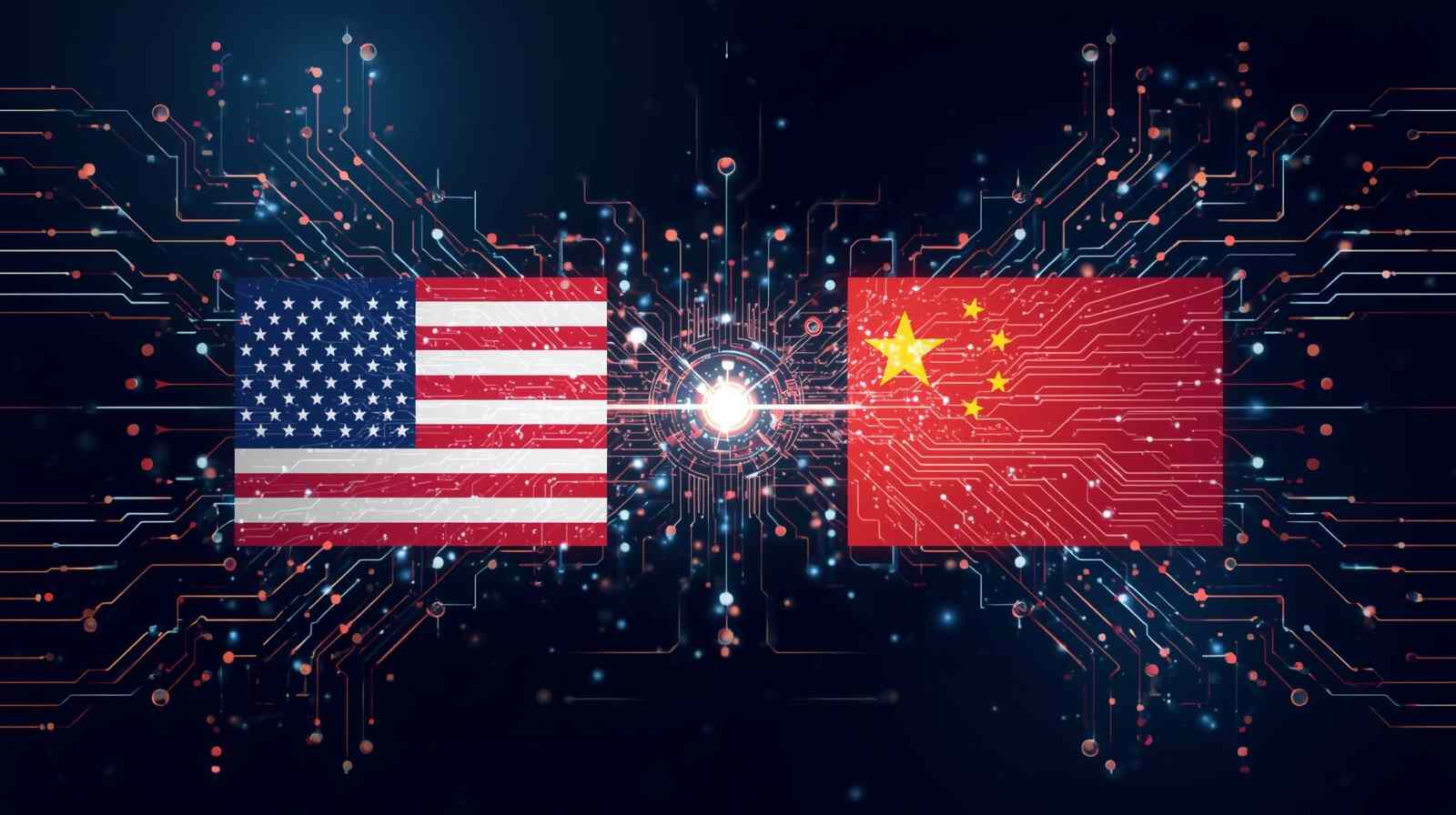
The US–China technology competition is shaping the future of global innovation, economic power, and strategic dominance. Honestly, if you’ve been wondering why this rivalry makes headlines almost every week, you’re not alone. You see, this isn’t just a battle over gadgets or apps; it’s about strategic tech superiority and who leads the next era of global influence. Jamie Dimon, the renowned business leader, has repeatedly highlighted how this rivalry affects investments, markets, and the broader economy. Understanding it step by step will help businesses, investors, and even everyday citizens grasp what’s at stake.
The truth is, this competition is multifaceted. It’s about AI-driven power shift, semiconductor supply chain security, and even digital infrastructure competition. In this guide, we’ll break it down into clear steps, backed by insights, data, and expert analysis. By the end, you’ll see the big picture and the practical implications for both nations and the world.
Understanding the US–China Technology Competition
The US China technology competition is not a new one, but it is moving quickly enough now that it is hard to overlook. In essence, this competition is about geopolitical influence in and through technology. The United States has long been on the cutting edge of the innovation economy. Still, the pace of China’s development and success in AI, quantum computing, and 5G connectivity is something the US should absolutely consider seriously. Jamie Dimon is often quoted as saying that technology is essential, but it is really an economic security and national strategy conversation.
As you can see, both the US and China have invested billions into talent, research, and infrastructure building. Just think of the AI labs in Silicon Valley or semiconductor fabs in Shanghai; competition exists wherever it can. The competition is not only about impacting technology companies; its impacts will ripple through supply chains around the world, financial markets, and military might, too. By paying attention to the competition, you can gain insight into the evolution of power on a global scale and investment possibilities.
Why the Dimon Perspective Matters Today
Jamie Dimon’s insights provide a distinct frame of reference for this rivalry. Dimon, however, is different from other analysts in that he draws on extensive business knowledge and strategic foresight. He cautions that ‘the cost of ignoring the cross-border technology policies and the disruption of innovation will come with significant ramifications for investors and governments.’
For instance, Dimon has emphasized the risks of overdependence on foreign-made semiconductors. Supply chain security in semiconductors is not merely a niche issue; it is now at the forefront of national competitiveness. The comment by Dimon also emphasizes the significance of indicators of dominance in emerging technologies, in particular, AI pools of talent, research, and patents. These facets in tandem are indicators of which country might rise to the top in the coming decade.
Key Technologies Driving the US–China Rivalry
At the heart of the competition are several key technologies:
- Artificial Intelligence (AI): Both nations are racing to lead in AI innovation. The AI-driven power shift could redefine industries, military strategy, and economic influence.
- Semiconductors: Chips are the lifeblood of modern technology. The US–China AI chip production rivalry is intensifying, with national strategies focused on domestic production.
- 5G and Digital Infrastructure: Control over 5G networks and next-gen digital infrastructure is critical for both security and business competitiveness.
- Cybersecurity: As threats rise, the US-China comparison of cybersecurity threats becomes a key measure of national resilience.
You see, success in these areas translates to broader global innovation competitiveness. Companies and governments are making long-term bets based on these technologies, which is why Dimon calls this competition a “game-changer” for the world economy.
How Global Supply Chains Shape the Tech Competition
Supply chains are often overlooked, but they are vital. The US and China both rely on intricate networks for manufacturing, distribution, and innovation. Dimon points out that disruptions can affect not only tech firms but also global markets. An international tech supply chain risk analysis shows that even small bottlenecks in semiconductors or rare-earth minerals can ripple across industries worldwide.
For instance, during the pandemic, the fragility of these networks became obvious. That’s why companies are now diversifying their supplier base and investing in assessing technological capabilities. In other words, understanding supply chains is critical to predicting which nation can maintain strategic tech superiority in the long run.
The Role of Innovation and R&D in Both Countries

Innovation is not merely a buzzword; it is the very basis of this competition. The US is on top in basic science, while China does a better job of scaling the technology. Both countries are spending billions of dollars on national technology strategy programs, such as AI labs and advanced manufacturing facilities.
Dimon often stresses that R&D investment is not just about money, it’s about rivalry in the innovation ecosystem. Universities, private labs, and government programs all contribute to who will dominate next. For example, China’s aggressive patent filings in AI and semiconductors indicate a strong push to achieve dominance in emerging technologies. At the same time, US companies continue to lead in software and foundational AI research.
Economic and Security Impacts of the Tech Battle
The importance goes well beyond a technology product. The economic security implications are widespread. The ability to control artificial intelligence, semiconductors, and 5G infrastructure will affect trade balances and military readiness. As Dimon points out, global investors must consider the changing policy environment regarding tariffs, export restrictions, and geopolitical risk; each can have dynamic impacts on stock markets and the ways businesses grow.
Security is also paramount. The U.S. is concerned about intellectual property theft and cybersecurity threats arising from the use of Chinese technology, while China is concerned about protecting its domestic industries and technological sovereignty. These forces impact technology policymaking and international trade relations.
How the Competition Affects Global Markets
You might wonder, “Why should I care?” The truth is, this rivalry affects everyone. Stock markets react to news about trade restrictions, tech bans, and corporate earnings. Businesses face higher costs and supply chain disruptions. Investors watch closely because predictions about the US-China tech war can signal which sectors may boom or decline.
For instance, US semiconductor firms have received tremendous support from the national government to enhance production in the US. At the same time, Chinese technology companies are heavily investing in AI, robotics, and 5G. Dimon observed that global technological innovations reveal that firms that win in markets are typically aligned with government-backed innovations.
Strategic Moves the US Is Taking to Stay Ahead
The US is not stagnant; efforts by the government, private funding, and academia aim to maintain its tech capabilities. Policies include subsidies for semiconductor chip manufacturing, programs to develop A.I. in both the government and private sectors, and regulations to protect and build competitive critical digital infrastructure.
Dimon highlights the importance of collaboration between the public and private sectors. You see, sustaining global innovation competition is not only about having the best technology; it is about layering resilient networks, talent pipelines, and strong competing digital infrastructure.
China’s Long-Term Vision for Technology Leadership

China’s strategy is equally far-reaching, with a long-term vision that includes AI governance and ethics, next-gen semiconductors, and massive infrastructure projects. By emphasizing education, research, and manufacturing, China aims to be the global leader in indicators of emergent tech dominance by 2030.
Dimon frequently emphasizes that China is considering methodically projecting leadership in innovation, whereas we in the U.S. are relying heavily on the market. China is much more aligned with policy, investment, and innovation goals. The consequential strategy is merely to ensure China remains a significant competitor on the global tech stage.
What the Future Looks Like for US–China Tech Relations
Moving forward, the competitive landscape will likely intensify. There may be areas of collaboration, such as climate tech or some basic research, yet competition will be the dominant form of interaction in strategic fields. Dimon emphasizes that the winners in these arenas will be those who can combine superior strategic technological capability with human talent and resilient supply chains.
In the end, making sense of this competition is our way of situating ourselves in the global economy and investment opportunities, as well as policy decision-making, resulting from the US-China tech war. The world is indeed watching, and businesses, governments, and citizens will need to adapt to remain competitive.
Comparison Table: Key Tech Rivalry Metrics
| Feature | United States | China |
| AI Talent Pool | Large, globally integrated | Rapidly growing, focused locally |
| Semiconductor Production | Leading in design, limited fab capacity | Increasing fab capacity, self-sufficient focus |
| 5G Infrastructure | Strong in innovation & services | Aggressive rollout & adoption |
| R&D Spending | $600B+ annually (private + gov) | $500B+ annually (strategic focus) |
| Patent Filings | High in AI and software | High in hardware, semiconductors |
| Cybersecurity | Advanced defenses, strong policies | Rapidly improving, domestic control |
| Innovation Ecosystem | Market-driven, highly flexible | Government-guided, strategically aligned |
Conclusion
The technological rivalry between the United States and China, of which Dimon alludes, is truly a defining global challenge of our time. To be straightforward, it’s more than simply who creates the next chip or AI model — it’s about global innovation competitiveness, the economic stability of the future, and national security. Having a grasp of these relationships and dynamics allows businesses, investors, and the government to make better decisions. Dimon’s step-function view provides impact and clarity amid the chaos, and ultimately, the right strategy for success in this evolving technology landscape is to practice awareness and act with agility.
FAQs
What is the US–China tech competition, Dimon?
The US–China technology competition is Jamie Dimon’s view of the strategic competition between the US and China in emerging technologies, such as AI, semiconductors, and 5G.
Why does Jamie Dimon think the tech competition matters?
According to Jamie Dimon, these tech competitions are essential because they address economic security, supply chains, and global technology leadership, which can shape investor perceptions and influence policy initiatives.
What technologies are driving the US–China tech race?
These technologies include: the transition of power from artificial intelligence, semiconductor, 5G, cybersecurity, and competition in the digital infrastructure sector.
How do supply chains affect the US–China tech competition?
If supply chains for semiconductors or rare-earth minerals break down, this can negatively affect global markets. Therefore, both the US and China needed to consider tech supply chain risk from an international perspective.
What is China’s long-term technology vision?
China’s long-term vision for technology is to continue seeking leadership across a range of factors that define emerging tech dominance, including technology spending, pro-innovation policies, and dedicated educational resources.
