


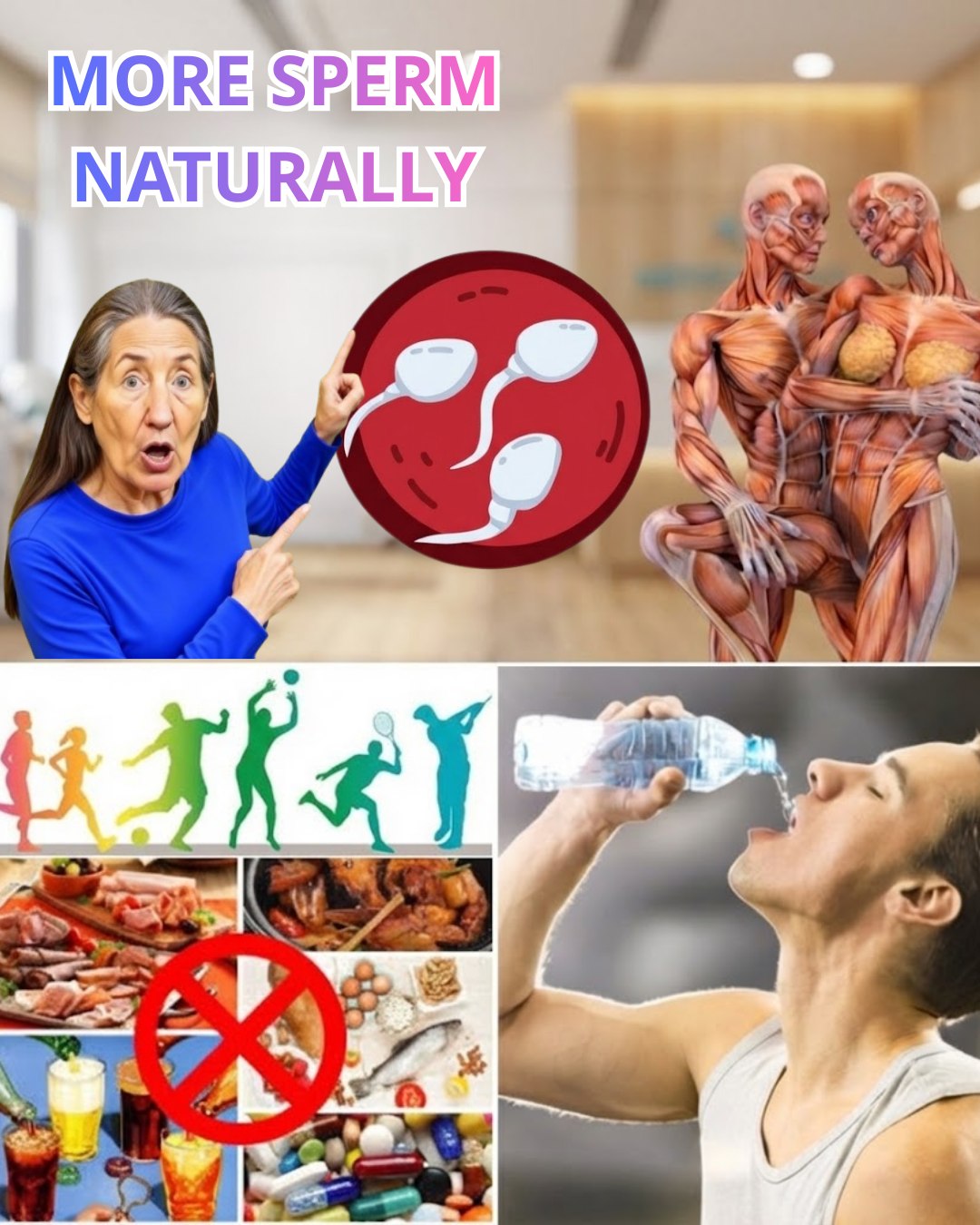
When you’re trying to start a family, it’s natural to feel concerned about factors that could affect your chances. Male fertility challenges are more common than many realize, with diet often playing a subtle yet important role in sperm production, movement, and overall quality. Poor nutrition, oxidative stress, and lifestyle habits can contribute to these issues, leaving couples searching for practical ways to support reproductive health.
The good news? Everyday foods rich in key nutrients like zinc, antioxidants, omega-3s, and vitamins can help create a more supportive environment for sperm health. In this guide, we’ll explore six evidence-based foods that research links to positive effects on male reproductive function—nothing miraculous, just smart, sustainable choices.
But here’s the intriguing part: one of these “foods” is something you drink every day, and optimizing it could make a surprising difference before you even think about supplements…

Why Diet Matters for Sperm Health
Sperm health isn’t just about count—it’s also about motility (how well they swim), morphology (their shape), and protection from damage. Studies consistently show that nutrients supporting hormone balance, reducing oxidative stress, and aiding cell function can positively influence these parameters.
Research, including reviews of dietary patterns like the Mediterranean diet, highlights how antioxidant-rich and nutrient-dense foods correlate with better semen quality. While results vary between individuals, incorporating these foods as part of a balanced lifestyle offers a low-risk way to support your reproductive goals.
1. Water: The Overlooked Foundation for Semen Volume and Sperm Movement
Dehydration might seem unrelated to fertility, but semen is mostly water. When you’re not drinking enough, semen volume can decrease, and sperm may struggle to move effectively.
Here are simple ways to stay hydrated for better reproductive support:
- Aim for 8–10 glasses (about 2–3 liters) of plain water daily
- Include hydrating foods like cucumbers, watermelon, or herbal teas
- Avoid excessive caffeine or sugary drinks that can lead to fluid loss
Proper hydration also supports overall circulation and hormone function—key for healthy sperm production. It’s one of the easiest changes with potential upside.

2. Zinc-Rich Foods: A Key Player in Sperm Formation and Testosterone Support
Zinc is concentrated in the male reproductive system and is essential for sperm development, testosterone regulation, and protecting cells from damage. Low levels have been associated with reduced sperm count and motility in various studies.
Top natural sources include:
- Oysters (one of the highest natural sources per serving)
- Pumpkin seeds (a handful provides a solid boost)
- Lean beef and chickpeas
- Nuts like cashews and almonds
Adding these to meals a few times a week can help maintain adequate zinc levels. Research suggests zinc’s role in fertility is especially notable when intake is sufficient through diet.

3. Nuts and Seeds: Omega-3s and Antioxidants for Better Sperm Quality
Walnuts, almonds, and seeds stand out for their healthy fats. Omega-3 fatty acids help form sperm cell membranes, while vitamin E in almonds acts as an antioxidant to shield against stress.
Studies have linked regular nut consumption (like a small handful daily) to improvements in sperm motility, concentration, and shape. Walnuts, in particular, show promise due to their omega-3 content.
Quick tip: Mix walnuts, almonds, and pumpkin seeds into yogurt or salads. It’s an easy, tasty habit that adds up over time.
Here’s a visual of some nutrient-packed nuts and seeds you can easily add to your daily routine:
This everyday handful could support the building blocks of healthy sperm.

4. Asparagus: Loaded with Vitamin C and Folate for Cellular Protection
Asparagus is a nutrient powerhouse for fertility-focused eating. It’s high in vitamin C (an antioxidant that helps protect sperm) and folate (important for DNA integrity).
Research on antioxidants like vitamin C indicates they may help maintain motility and reduce cellular damage. Folate supports healthy cell division during sperm production.
Try grilling or steaming asparagus as a side—it’s versatile and pairs well with proteins.
5. Garlic: A Circulation and Antioxidant Booster
Garlic contains allicin and other compounds studied for their potential to support blood flow, hormone balance, and protection against oxidative damage.
Some animal studies suggest garlic may positively influence testosterone and sperm parameters through its antioxidant effects. While human research is ongoing, moderate amounts in cooking are a flavorful way to add potential benefits.
Best practice: Crush fresh garlic and let it sit 10 minutes before cooking to maximize allicin release.
6. Dark Chocolate: A Moderation-Friendly Source of L-Arginine
High-cocoa dark chocolate (70%+ cocoa) provides L-arginine, an amino acid linked to improved blood flow and sperm motility in some studies. Its antioxidants also help combat oxidative stress.
Enjoy 1–2 small squares a few times a week as a treat that aligns with fertility goals—avoid milk chocolate varieties with added sugars.
Here’s a realistic shot of rich, high-cocoa dark chocolate ready to enjoy in moderation:
Actionable Tips to Get Started Today
- Start with hydration: Set reminders for water intake and carry a reusable bottle.
- Add one zinc-rich food to meals 4–5 days a week.
- Snack on a handful of mixed nuts/seeds daily.
- Include asparagus or garlic in 2–3 dinners weekly.
- Treat yourself to dark chocolate occasionally.
- Track how you feel after 4–6 weeks of consistent changes.
Conclusion: Small Changes for Long-Term Support
Incorporating water, zinc sources, nuts, asparagus, garlic, and moderate dark chocolate into your routine can help foster an environment conducive to better sperm health. Combine this with exercise, stress reduction, good sleep, and avoiding smoking/excess alcohol for the best results.
Remember, diet is just one piece—consistency matters more than perfection.
FAQ
How long does it take for diet to affect sperm health?
Sperm production takes about 2–3 months, so noticeable changes from dietary improvements may appear after that timeframe with consistent habits.
Can these foods replace medical advice for fertility issues?
No—these are supportive lifestyle choices. If you’re facing challenges conceiving, consult a healthcare professional for personalized evaluation.
Are supplements better than food sources?
Whole foods provide a balanced mix of nutrients and are generally safer. Supplements can help if deficient, but talk to a doctor first.
Disclaimer: This article is for informational purposes only and not intended as medical advice. Individual results vary, and diet alone may not resolve fertility concerns. Always consult a qualified healthcare provider before making significant changes, especially if you have existing health conditions or are trying to conceive.
