


Imagine waking up feeling drained despite a full night’s sleep, or noticing your clothes fitting looser without any change in diet or exercise. These small changes often get brushed aside as stress, aging, or just a busy life. But they can be quiet signals from your body that blood sugar levels are creeping higher than normal.
Diabetes, particularly type 2, develops gradually, and many people live with it for years without knowing. Early awareness can make a big difference—catching patterns sooner opens the door to simple lifestyle adjustments that may help protect your health long-term. Research shows that spotting these subtle signs early and getting checked can reduce the risk of complications.
In this article, we’ll explore 20 often-overlooked signs linked to high blood sugar or insulin resistance. If several sound familiar, it might be worth talking to your doctor. Stick around—the last one could be the biggest clue of all.

The Hidden Reality: Why Diabetes Can Sneak Up on You
Many people feel “mostly fine” until a routine checkup reveals elevated blood sugar. That’s because early symptoms often mimic everyday issues like fatigue from work or dry skin from weather changes.
But here’s the truth: when blood sugar stays high over time, it can quietly affect nerves, circulation, and organs. Studies from organizations like the American Diabetes Association highlight that early detection allows for better management through diet, activity, and monitoring—potentially delaying or preventing more serious issues.
But that’s not all… these signs rarely appear alone. Seeing a cluster is what often points to something worth investigating.
The Countdown: 20 Subtle Signs Your Body May Be Signaling High Blood Sugar
These signs can stem from many causes, so one alone doesn’t mean diabetes. But when they persist or combine, it’s time to pay attention.
20. Persistent Fatigue That Won’t Quit
You sleep enough, yet feel exhausted by midday. Coffee offers a short boost before the slump returns.
High blood sugar can make it harder for cells to use energy efficiently, leading to ongoing tiredness.

19. Frequent Urination, Especially at Night
Waking up multiple times to use the bathroom disrupts sleep and leaves you groggy.
Excess glucose pulls fluid into urine, increasing trips to the restroom.
18. Unquenchable Thirst
No matter how much water you drink, your mouth stays dry.
This often follows frequent urination as your body tries to replace lost fluids.
17. Blurry Vision That Comes and Goes
Fine print becomes hard to read one day, then clears up the next.
Shifting blood sugar affects the eye’s lens, causing temporary focus changes.
16. Cuts or Bruises That Heal Slowly
A small nick takes weeks to fade, longer than usual.
Impaired circulation and immune response from elevated sugar can slow healing.
15. Unexplained Weight Loss
Pants get looser without dieting or more activity.
The body may break down fat and muscle when glucose can’t enter cells properly.
14. Increased Hunger Despite Eating
You finish a meal and feel hungry again soon after.
Cells aren’t getting energy, so the body signals for more food.
13. Dry, Itchy Skin
Lotion helps temporarily, but irritation persists, especially on legs.
Dehydration and poor circulation contribute to this discomfort.
12. Tingling or Numbness in Hands or Feet
Pins-and-needles sensations start occasionally, then become more frequent.
Nerve damage (neuropathy) can begin gradually from prolonged high sugar.
11. Frequent Infections (UTIs, Yeast, Skin Issues)
Recurring infections clear up briefly, then return.
Higher glucose creates an environment where bacteria and yeast thrive.

10. Gum Issues or Slow Dental Healing
Bleeding gums or slow recovery after dental work.
Inflammation rises with unstable blood sugar.
9. Irritability or Mood Swings
Small things set you off more easily than before.
Fluctuations in energy affect mental clarity and emotions.
8. Fruity or Sweet-Smelling Breath
A noticeable odor on your breath, even if occasional.
In some cases, the body produces ketones that cause this scent.
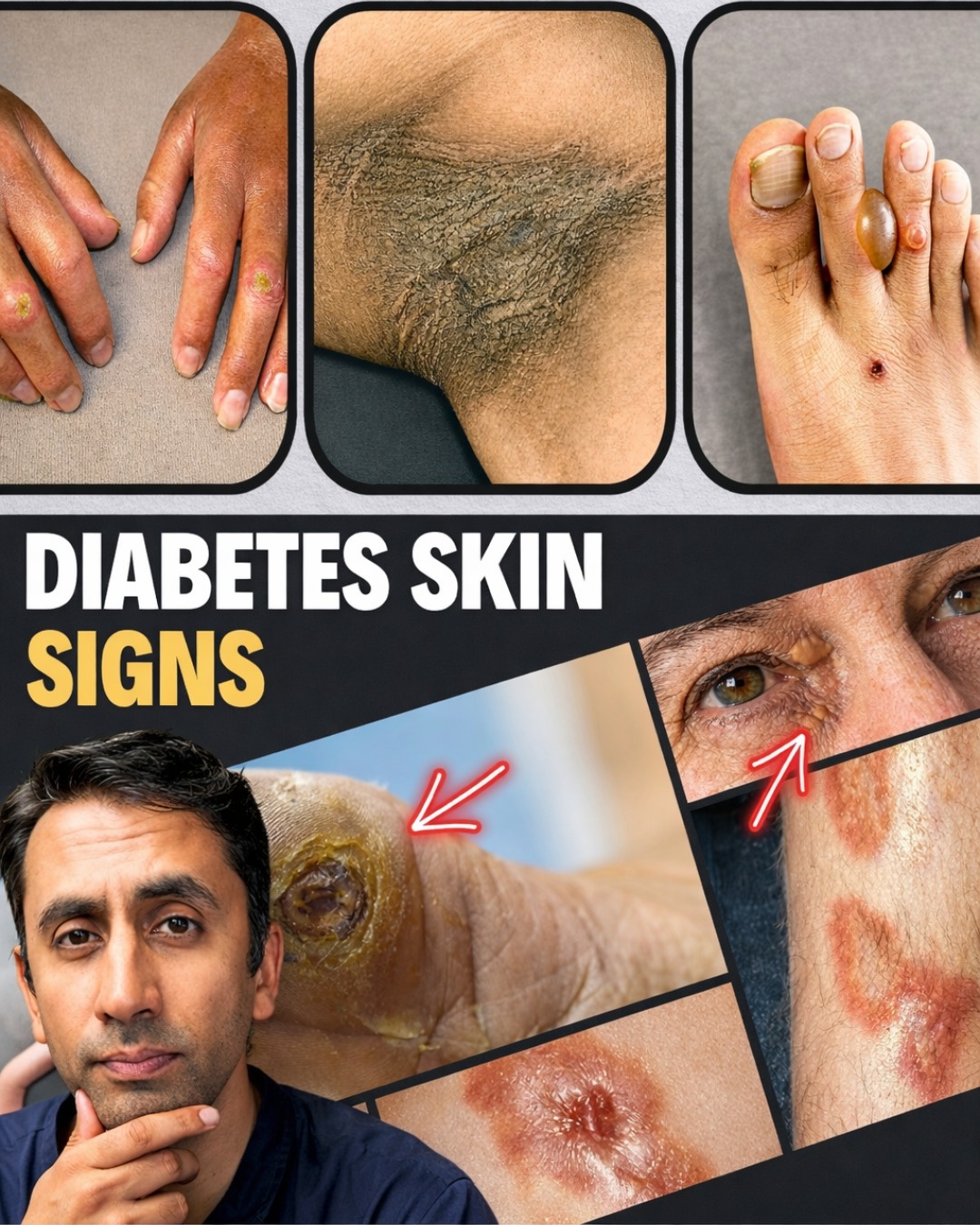
7. Darkened, Velvety Skin Patches
Thicker, darker areas appear on the neck, armpits, or groin.
This (acanthosis nigricans) can signal insulin resistance.
6. Recurrent Skin Infections or Boils
Stubborn spots keep coming back.
Weakened immune response makes skin more prone to issues.
5. More Frequent Headaches
Headaches tied to skipped meals or dehydration.
Vascular changes and fluid shifts can trigger them.
4. Nausea or Stomach Upset
Occasional queasiness or sluggish digestion.
Digestive discomfort may link to blood sugar effects.
3. Erectile Changes in Men
Changes in performance or frequency.
Vessel and nerve effects can impact function.

2. Persistent Dry Mouth
Chewing gum all day, but dryness lingers.
Often pairs with thirst and can affect dental health.
1. Feeling “Off” Without a Clear Explanation
You can’t pinpoint why, but you feel less energetic or steady.
This vague sense often comes from a cluster of the above signs.
Here’s a quick summary to spot patterns:
| Category | Common Examples | Possible Link |
|---|---|---|
| Energy & Thirst | Fatigue, thirst, frequent urination | Glucose regulation |
| Skin & Healing | Itchy skin, slow wounds, infections | Circulation/immune |
| Sensory Changes | Blurry vision, tingling | Fluid/nerve impact |
| Mood & Body Cues | Irritability, hunger shifts, “off” feeling | Fluctuations/inflammation |
Additional Clues Worth Watching
Some people also notice unusual snoring, hair thinning, hearing changes, or heightened skin sensitivity. Clusters matter more than single symptoms.
Practical Steps to Gain Clarity Without Panic
No need to worry—just take calm action.
- Keep a symptom log for 7–14 days: Note patterns daily.
- Schedule a routine checkup: Ask about an A1C test (measures average blood sugar).
- Mention family history: It raises risk and helps guide screening.
- Focus on basics: Balanced meals, regular walks, and good sleep support stability.
| Step | Benefit | Easy Action |
|---|---|---|
| Symptom log | Reveals patterns | Quick daily notes |
| Doctor visit | Accurate testing | Schedule soon |
| Screening | Early insight | Ask about A1C |
| Lifestyle support | Helps stability | Walks, veggies, protein |
Empower Your Health: Listen to Your Body Today
You’ve tuned in now. Many people miss these whispers at first, but noticing them early can lead to steadier energy and better long-term health.
What if paying attention to one sign today makes a difference tomorrow? Share this with someone you care about.
Disclaimer: This article is for informational purposes only and is not a substitute for professional medical advice. Always consult your healthcare provider for personalized guidance.
FAQ
What is the most common early sign of diabetes?
Frequent urination and excessive thirst often appear first, as the body tries to flush excess sugar.
Can diabetes symptoms be subtle in adults?
Yes—type 2 diabetes develops slowly, so signs like mild fatigue or dry skin are easy to overlook.
Why does early detection matter?
It allows for lifestyle changes and monitoring that may help prevent complications like heart or kidney issues.
